


FASTENER BUYING MADE SIMPLE:
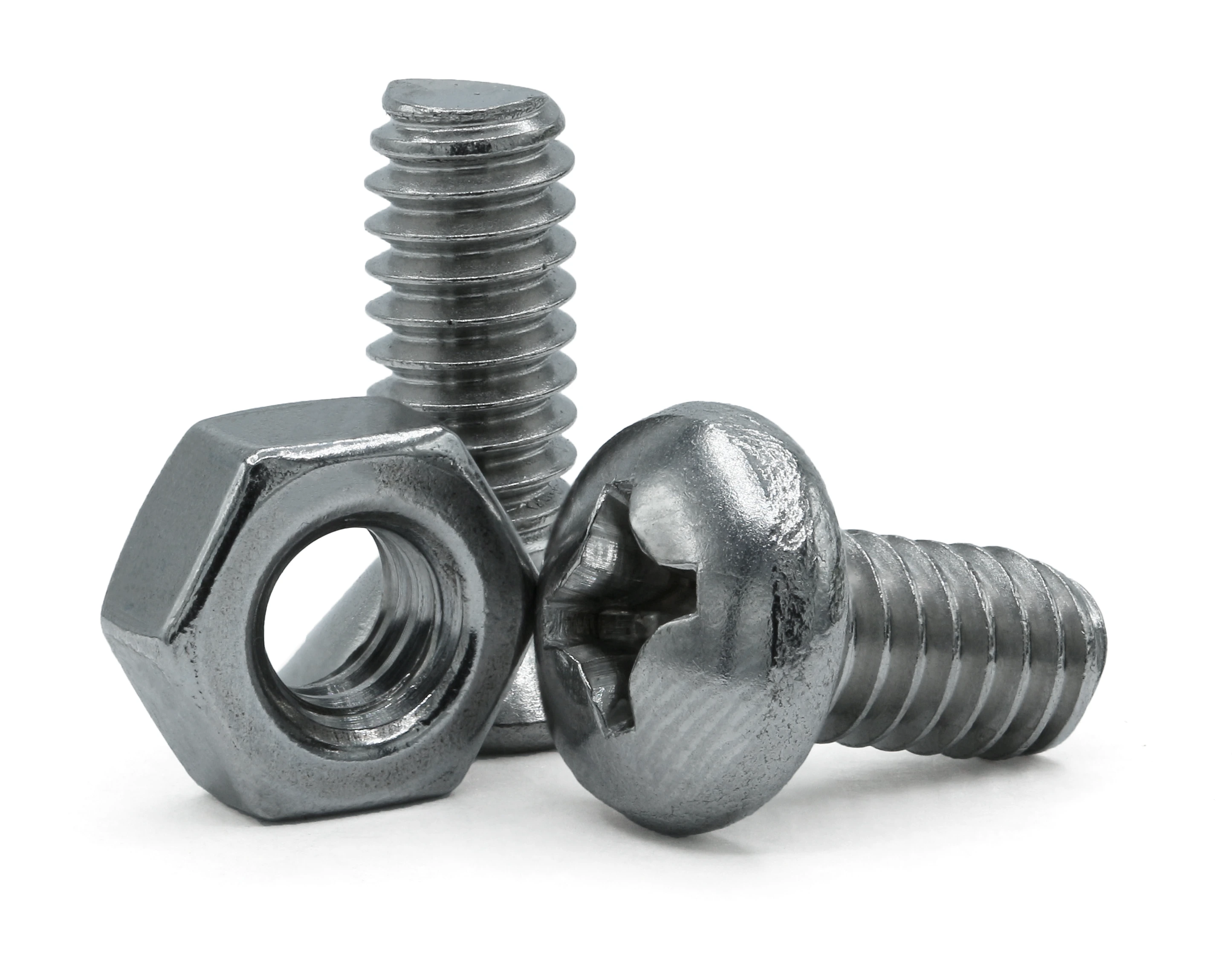
Identifying the Right Thread Forming Screw for Your Application
This guide will help you understand the various Thread Forming Screws that we carry, and their functions. The guide also contains information on the naming structure used for thread forming screws to help you navigate the complex nomenclature used in their product descriptions.
Thread Forming Screws, sometimes referred to as thread rolling screws, are inserted into pre-drilled holes in materials in which they are able to form matching, mating threads. They form this thread by using their hardness and shape to press threads into place in the receiving material and by utilizing their unique point / tip / thread design.
Thread-Forming Screws come in three styles:
Thread Forming Screws - Plastics
Thread Forming Screws for Plastics are screws made in the style of Plastite® screws, designed to form their own mating threads in plastic materials. They feature spaced threads and a blunt, trilobular tip shaped like a triangle with rounded corners. This unique shape helps prevent vibrational loosening. They also utilize extra wide spacing between threads and a sharp thread profile. Commonly used in battery enclosures on toys, remote controls, and other small devices.
Example of a Thread Forming Screws for Plastics part description:
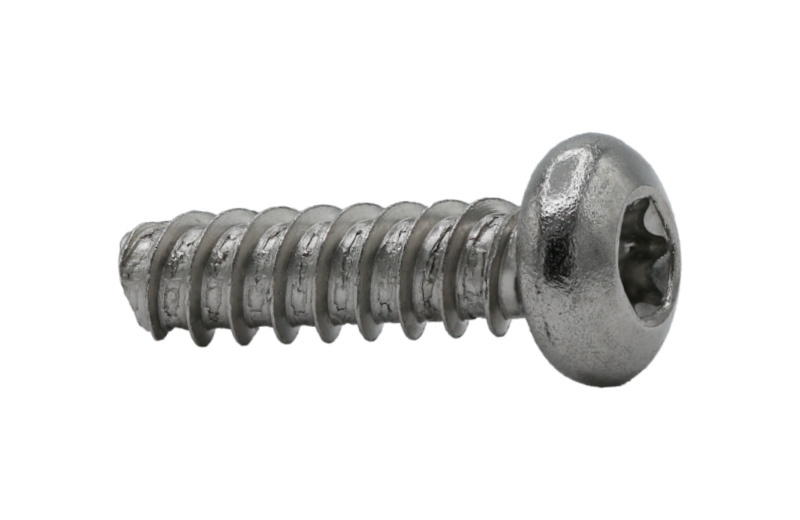
On this part, the “1/4” indicates the diameter size and the “2” indicates its length. It is a thread forming screw intended to be used on plastic materials. The “48-2” refers to its 48-degree profile threads and it’s twin lead threads. It is driven with a Torx® (also known as a six-lobe or star) driver / bit. It has a pan head and is made of 18-8 stainless steel. The second line references Plastite® Brand, of which this part is an alternative, or equivalent to.
Thread Forming Screws - Metals
Thread Forming Screws for Metals are made in the style of Taptite® Screws, designed to form their own mating threads in soft metals such as aluminum, zinc, or soft steel. They feature UTS / Machine Screw Threads along with a blunt, trilobular tip shaped like a triangle with rounded corners. This unique shape helps prevent vibrational loosening.
Example of a Thread Forming Screws for Metals part description:
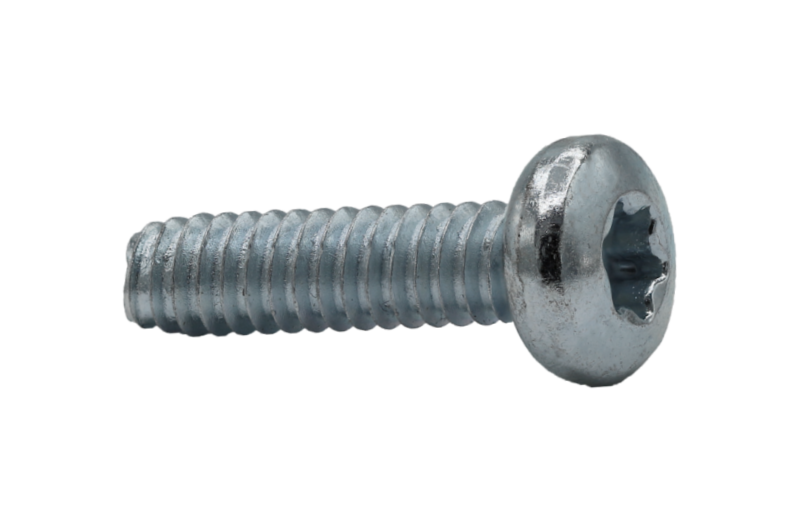
On this part, the “10-32” indicates the diameter size - thread count and the “7/8” indicates its length. It is a thread forming screw intended to be used on metal materials. It is driven with a Torx® (also known as a six-lobe or star) driver / bit. It has a pan head and is made of steel with a zinc finish. The second line references Taptite® Brand, of which this part is an alternative, or equivalent to.
High-Low Thread Forming Screws
Featuring a double lead with alternating high and low threads for powerful hold, High-Low Thread Forming Screws are designed for installation into low density materials such as plastics, woods, and composites. Lower thread is ⅓ to ½ the height of the higher thread, which is sharper and flatter than a standard thread. This thread design reduces driving torques, improves pullout strength, enhances resistance to stripping and decreases the chance of cracking the material into which it is being installed.
Example of a High-Low Thread Forming Screw part description:
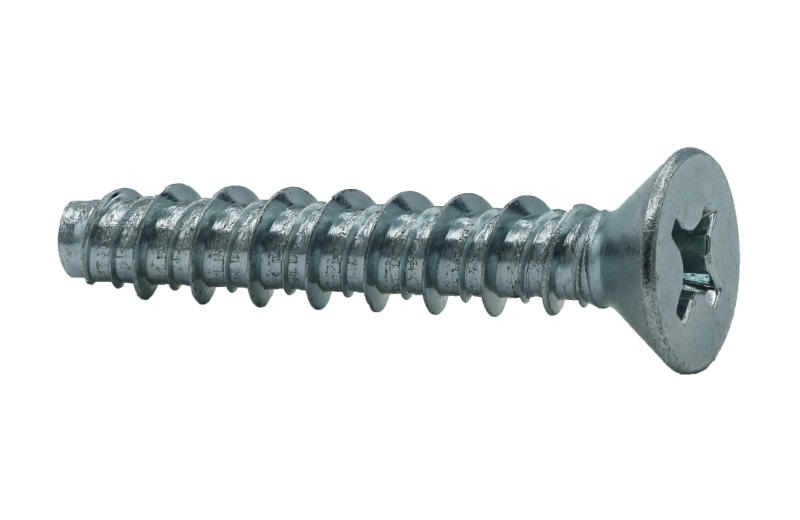
On this part, the “#8” indicates the diameter size - thread count and the “5/8” indicates its length. It is a thread forming screw featuring a “high-low” thread. It is driven by a Phillips driver / bit. It has a flat head and is made of steel with a zinc finish.
If you have additional questions about thread forming screws, we’d love to be a resource for you. Contact us at [email protected], give us a call at (866) 688-2500 or use our live online chat in the upper right corner of this page!